 Andorra
 Austria
 Belgium
 Bosnia and Herzegovina
 Bulgaria
 Cyprus
 Czech Republic
 Denmark
 Deutschland
 France
 Greece
 Hungary
 Ireland
 Iceland
 Israel
 Italy
Italy
 Latvia
 Luxembourg
 Malta
Malta
 Montenegro
 Netherlands
 Norway
 Poland
 Portugal
 Romania
 Serbia
 Slovakia
 Slovenia
 Spain
Spain
 Sweden
 Switzerland
 Turkey
 Ukraine
 United Kingdom
 Argentina
 Bolivia
 Brasil
 Canada
 Chile
Chile
 Colombia
 Costa Rica
 Cuba
Cuba
 República Dominicana
 Ecuador
 El Salvador
 French Guiana
 Guatemala
 Honduras
 México
 Nicaragua
 Panamá
 Paraguay
 Perú
Perú
 Uruguay
 United States
 Venezuela
 Azerbaijan
 China
China
 Hong Kong
 India
India
 Indonesia
 Iraq
Iraq
 Japan
Japan
 Jordan
 Kuwait
 Lebanon
 Malaysia
 Maurice
 Myanmar
 Oman
Oman
 Pakistan
 Philippines
 Qatar
Qatar
 Russia
 Saudi Arabia
 Singapore
 South Korea
 Syria
Syria
 Thailand
 United Arab Emirates
 Vietnam
 Algeria
 Angola
 Egypt
Egypt
 Ghana
Ghana
 Kenya
Kenya
 Libya
Libya
 Morocco
 Nigeria
 Sénégal
 South Africa
 Tanzania
 Tunisie
 Australia
 New Zealand

Certified Industrial Fire-Rated Doors: RF and EI120
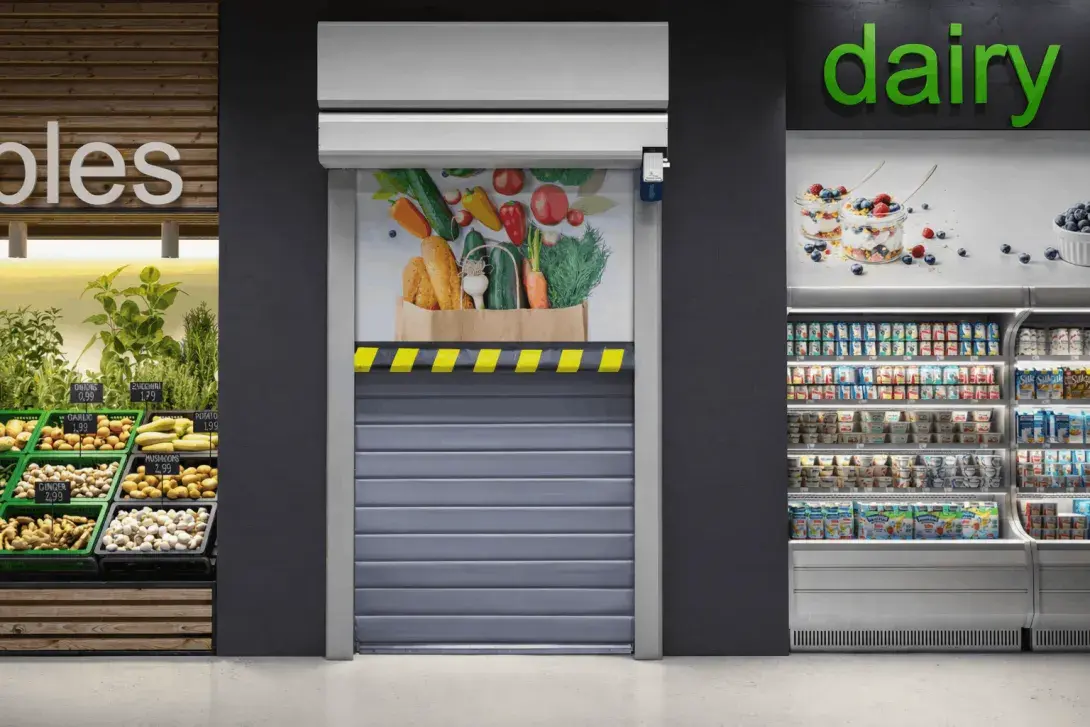
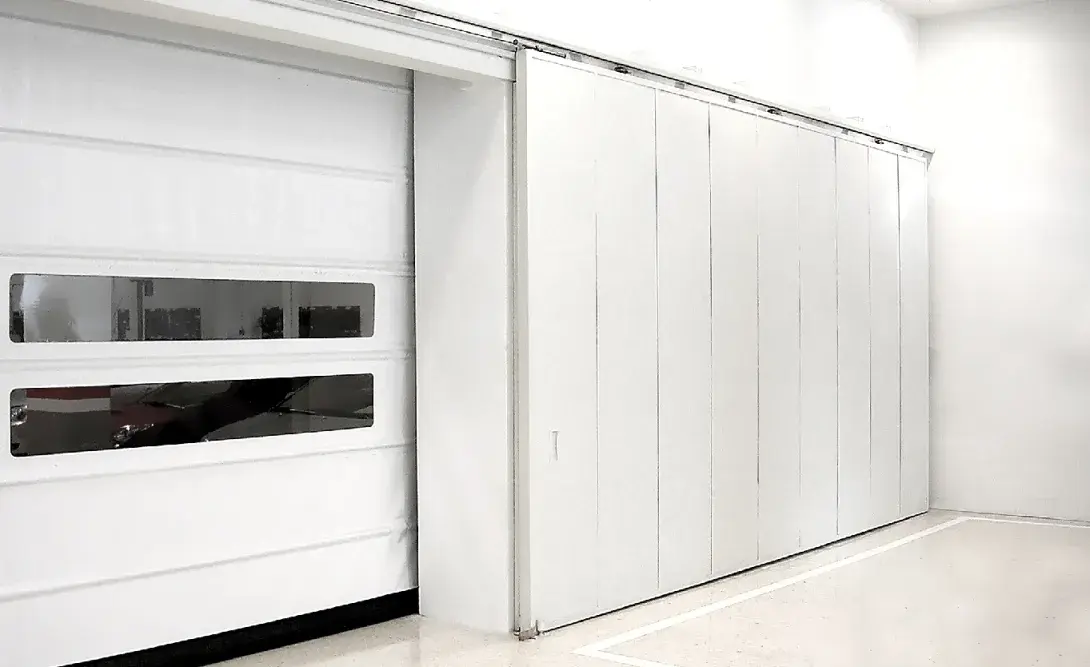
Fire-rated industrial doors protect people and assets, compartmentalising facilities and ensuring safety from fires. Sliding, guillotine or high-speed doors with an EI120 curtain allow compartmentalising critical areas without affecting daily operations.
Types of industrial fire-rated doors
Benefits of industrial fire-rated doors


They comply with the current fire safety regulations.

They allow compartmentalising critical areas without interfering with daily operations.

Manufactured from durable materials for heavy-duty use, they reduce maintenance and operational downtime.

Guaranteed operation even in extreme conditions.
Frequently asked questions about industrial fire-rated doors
The industrial fire-rated sliding door is used for compartmentation in case of fire and can be installed independently, without the need for a high-speed door. It closes laterally when the alarm is triggered, creating a fire-resistant barrier. By contrast, the high-speed door with integrated fire curtain combines daily use and protection: it operates as a high-speed door and, in the event of a fire, the integrated fire curtain deploys automatically, sealing the opening.
The designations EI30, EI60, EI90 and EI120 on fire-rated doors indicate their level of fire resistance, i.e. the time during which the door maintains its performance in the event of a fire: - EI30 → fire resistance for 30 minutes - EI60 → fire resistance for 60 minutes - EI90 → fire resistance for 90 minutes - EI120 → fire resistance for 120 minutes
Selecting the appropriate EI level allows:
- Evacuate people safely
- Prevent fire spread between sectors
- Comply with current regulations
- Protect installations and assets
- The required level depends on the type of building, area, activity and applicable legislation
- Fast opening for logistics flows
- Efficient fire sealing
- Compliant with RF/EI standards
- Resistant, durable and safe in industrial environments
Periodic inspection of guides, sensors, automation systems and certifications, guaranteeing optimal operation and regulatory compliance.
Industrial units, logistics centres, hangars, shipyards and critical areas where fire safety and operational continuity are required.