 Andorra
 Austria
 Belgium
 Bosnia and Herzegovina
 Bulgaria
 Cyprus
 Czech Republic
 Denmark
 Deutschland
 France
 Greece
 Hungary
 Ireland
 Iceland
 Israel
 Italy
Italy
 Latvia
 Luxembourg
 Malta
Malta
 Montenegro
 Netherlands
 Norway
 Poland
 Portugal
 Romania
 Serbia
 Slovakia
 Slovenia
 Spain
Spain
 Sweden
 Switzerland
 Turkey
 Ukraine
 United Kingdom
 Argentina
 Bolivia
 Brasil
 Canada
 Chile
Chile
 Colombia
 Costa Rica
 Cuba
Cuba
 República Dominicana
 Ecuador
 El Salvador
 French Guiana
 Guatemala
 Honduras
 México
 Nicaragua
 Panamá
 Paraguay
 Perú
Perú
 Uruguay
 United States
 Venezuela
 Azerbaijan
 China
China
 Hong Kong
 India
India
 Indonesia
 Iraq
Iraq
 Japan
Japan
 Jordan
 Kuwait
 Lebanon
 Malaysia
 Maurice
 Myanmar
 Oman
Oman
 Pakistan
 Philippines
 Qatar
Qatar
 Russia
 Saudi Arabia
 Singapore
 South Korea
 Syria
Syria
 Thailand
 United Arab Emirates
 Vietnam
 Algeria
 Angola
 Egypt
Egypt
 Ghana
Ghana
 Kenya
Kenya
 Libya
Libya
 Morocco
 Nigeria
 Sénégal
 South Africa
 Tanzania
 Tunisie
 Australia
 New Zealand


Automatic doors are part of our everyday lives, even though they often go unnoticed. We find them in hospitals, hotels, airports, shops, offices and logistics centres, facilitating access for thousands of people every day. However, behind their seemingly simple opening mechanism is a blend of technology, design and safety that directly influences the user experience and the functioning of buildings.
In this guide, we review the main types of automatic doors, how they work, the benefits they offer, the regulations they must comply with, and the factors to consider before choosing a solution for a project.
What are automatic doors and how do they work?
Automatic doors are systems designed to open and close automatically, without the need for users to physically operate them. Their main purpose is to facilitate the flow of people or goods, improving accessibility, safety and ease of use.
Although there are different technologies and configurations, most systems function in a similar way. A set of sensors detects the presence or approach of people, while an operator element is responsible for controlling the opening and closing movements.
The main difference compared to a conventional door is not just the automation. The real advantage lies in the ability of the door to adapt to the building’s actual use, optimising flow and eliminating unnecessary barriers for users.
After all, entering a hospital with a pushchair, checking into a hotel with several suitcases or passing through an airport entrance at peak hours are all distinct situations. Automatic doors enable all these situations to be handled comfortably, safely and efficiently.
What components make up an automatic door?
Although an automatic door may appear to be a simple system from the outside, it is in fact made up of several components that work in coordination to ensure safe and efficient operation.
The main components of an automatic door are:
The operator, which controls the opening and closing movements.
Motion and detection sensors, which identify the presence of people or obstacles.
Framework, which provides structure, stability and aesthetic integration.
Moving panels, usually made of glass or other materials suited to the project’s requirements.
Safety systems, designed to protect users during operation.
The combination of all these elements enables the door to respond precisely to the needs of each building and ensures a convenient and secure access experience.
Types of automatic doors and when each is used
Not all automatic doors meet the same requirements. Choosing one type over another depends on the available space, foot traffic volume, environmental conditions and the project goals.
Automatic sliding doors
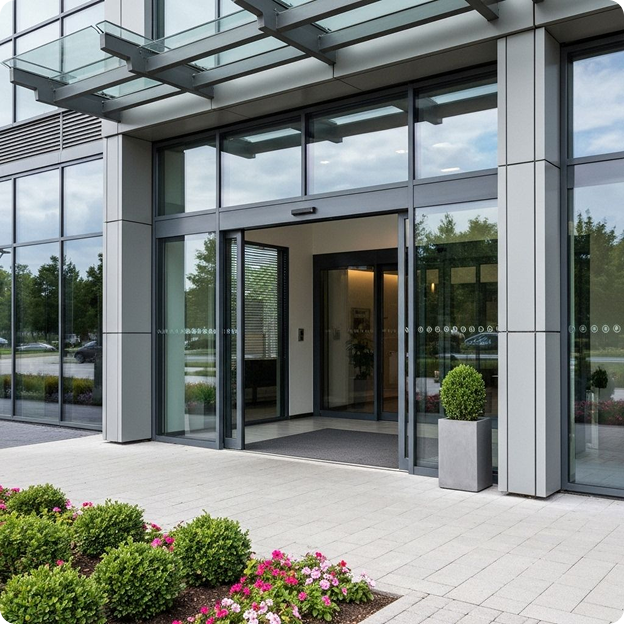
These are the most common type in public and commercial buildings. Their leaves slide sideways to create a wide passageway, making them a highly versatile solution for hospitals, shops, hotels and offices.
Their main advantages include:
Smooth foot traffic flow.
Excellent accessibility.
Easy integration into different types of buildings.
A clean and discreet design.
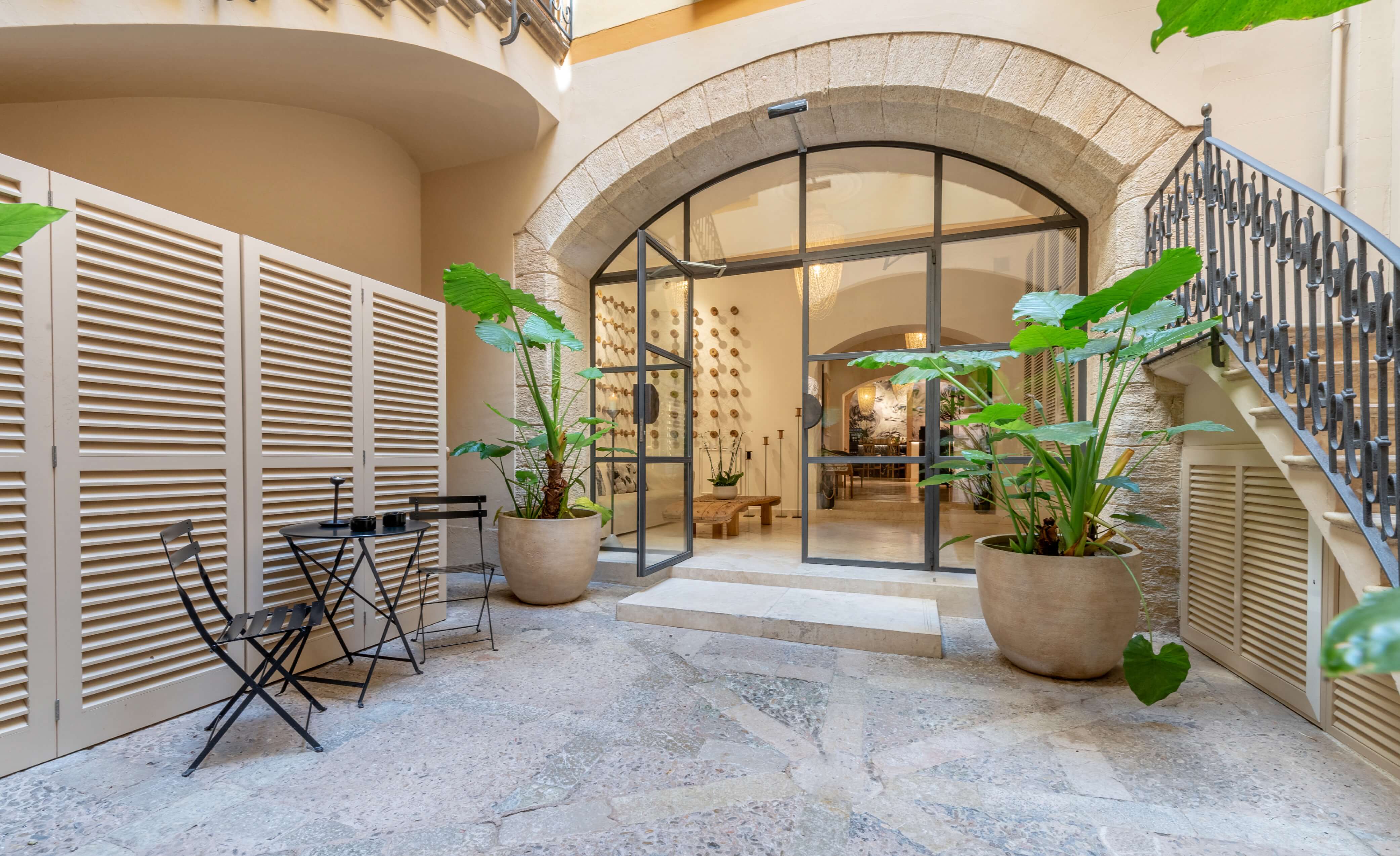
Many of these solutions feature large, glazed areas, which is why automatic glass doors have become one of the most widely used options in hospitals, shops, hotels and corporate buildings. As well as allowing natural light to enter, they create a greater sense of space and transparency at entrances.
Automatic telescopic doors
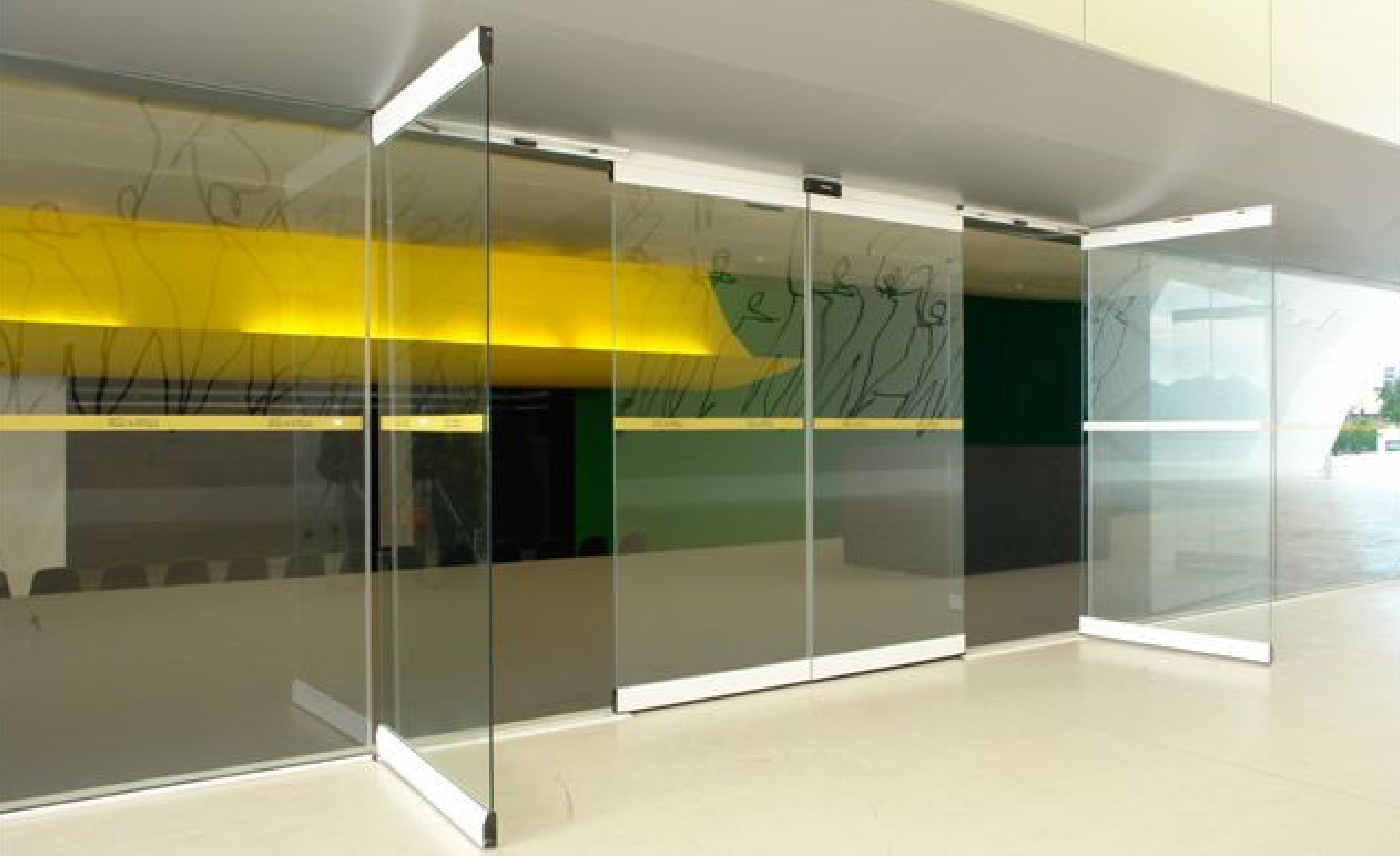
When space is limited, telescopic doors allow the passage width to be increased thanks to several moving leaves that slide in a coordinated manner.
This solution is particularly useful at entrances where a conventional sliding door would not be able to offer the same performance.
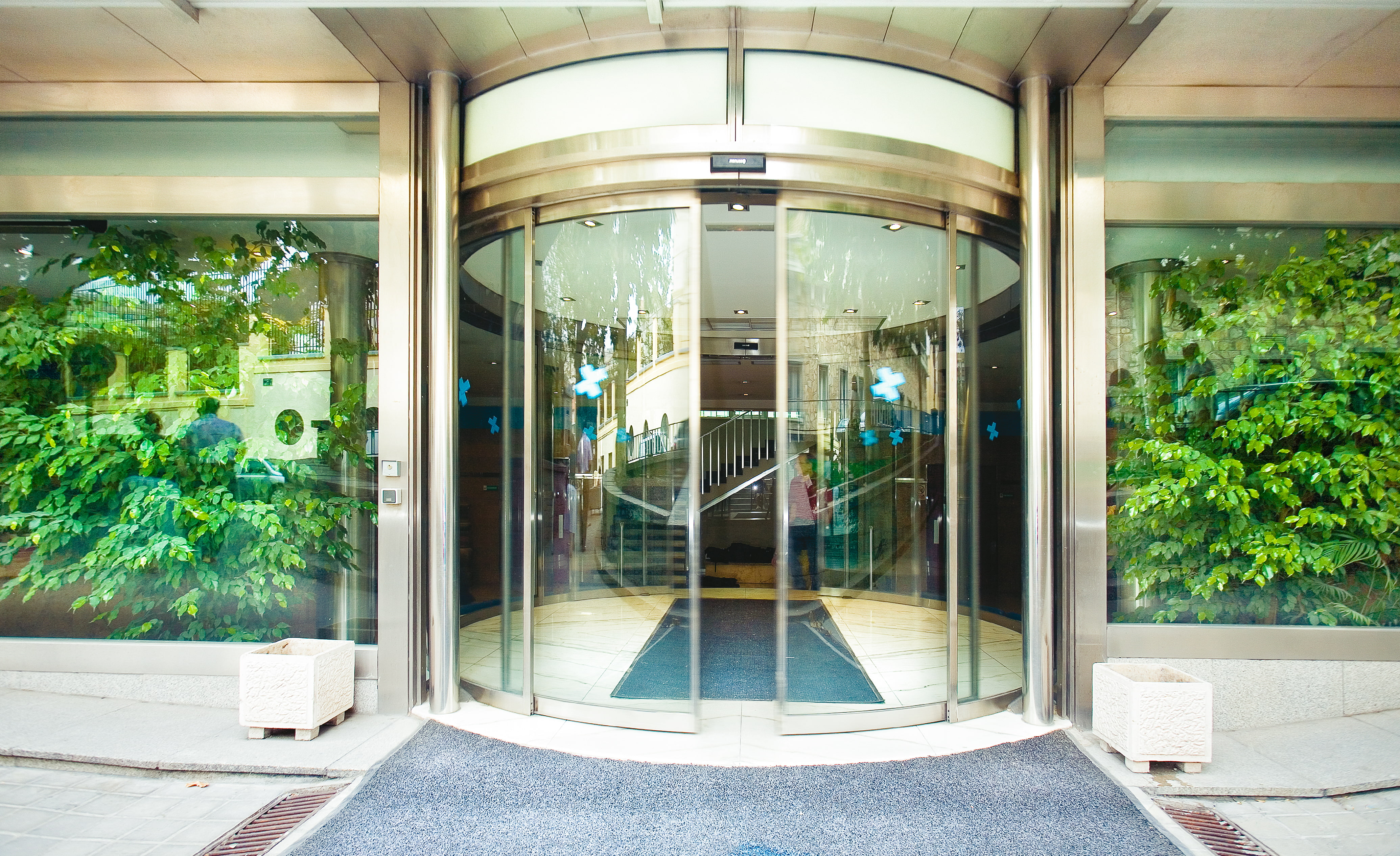
Automatic revolving doors
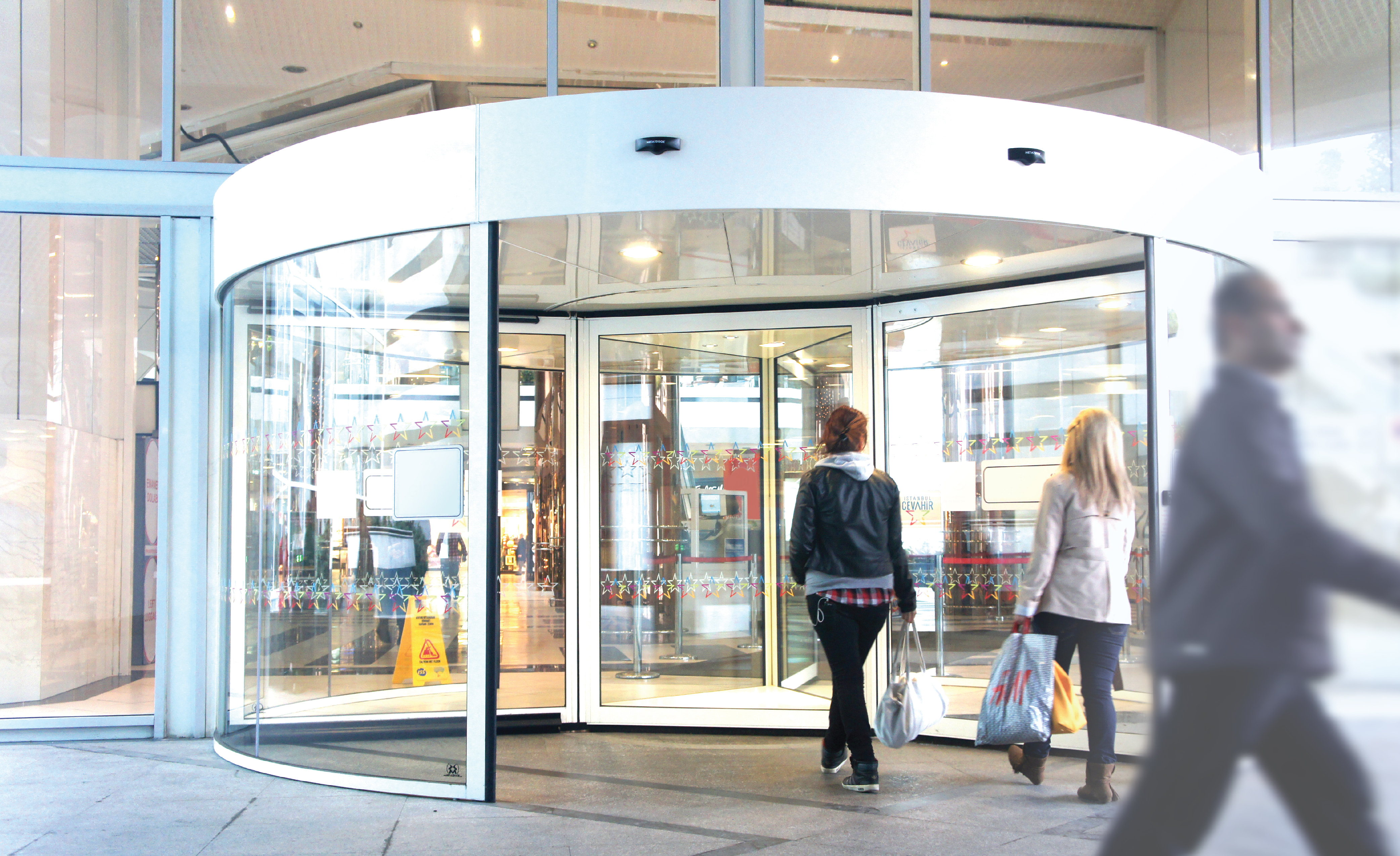
Revolving doors are commonly found in hotels, corporate buildings, airports and large-scale infrastructure projects.
Their main feature is that they maintain a constant separation between the interior and exterior of the building, helping to improve thermal and acoustic comfort in access areas.
They contribute to an architectural aesthetic that is highly valued in projects where design plays an important role.
Automatic swing doors
Swing doors automate the movement of a traditional door using a specialised operator.
They are typically used for internal access points, in existing buildings or in areas where the architectural layout does not allow for the installation of other systems.
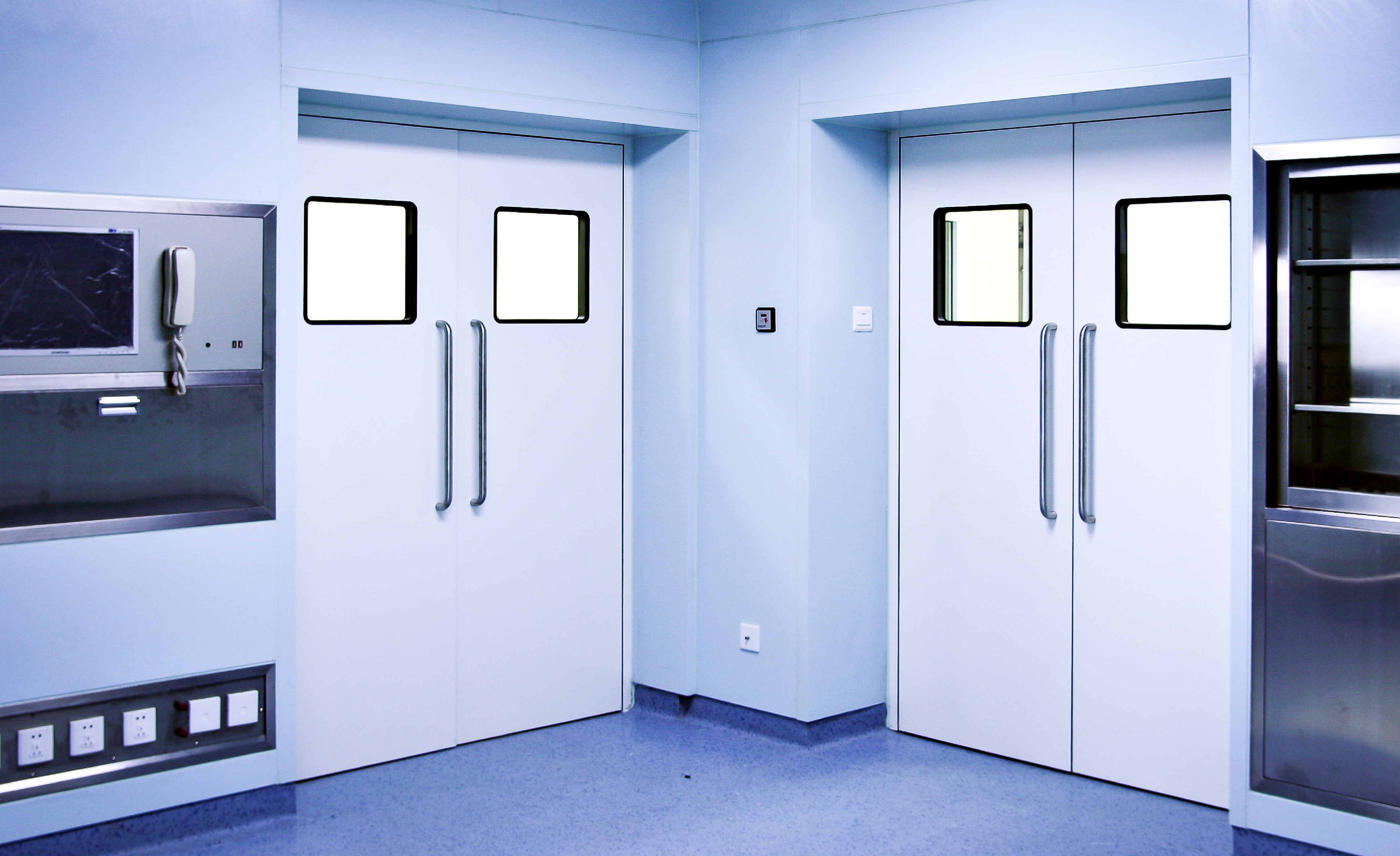
Automatic hermetic doors
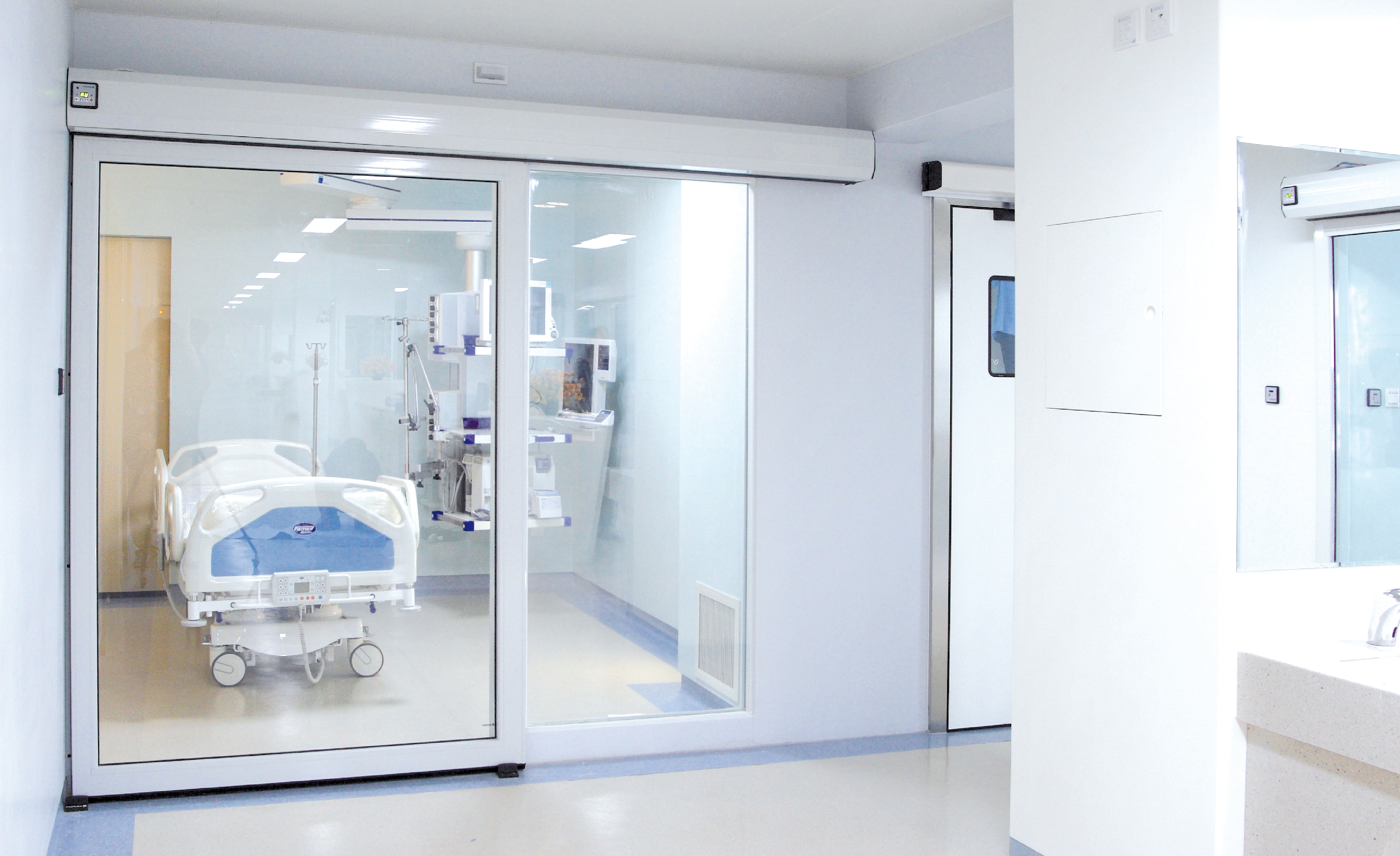
Hermetic doors are designed for environments where environmental control is particularly important.
For this reason, they are commonly found in hospitals, laboratories and cleanrooms, where they help to protect the processes taking place within the facilities.
High-speed doors for industrial environments
In industrial and logistics facilities, requirements vary. This is where high-speed doors come into their own, designed to withstand intensive use and respond swiftly to the constant flow of people, vehicles or goods.
Depending on the application, specific solutions are available for industrial automation, cold storage areas, logistics centres or areas where internal space compartmentation is particularly important.
Where are automatic doors used?
Automatic doors are found in virtually every sector of the economy. However, each environment has its own particular requirements.
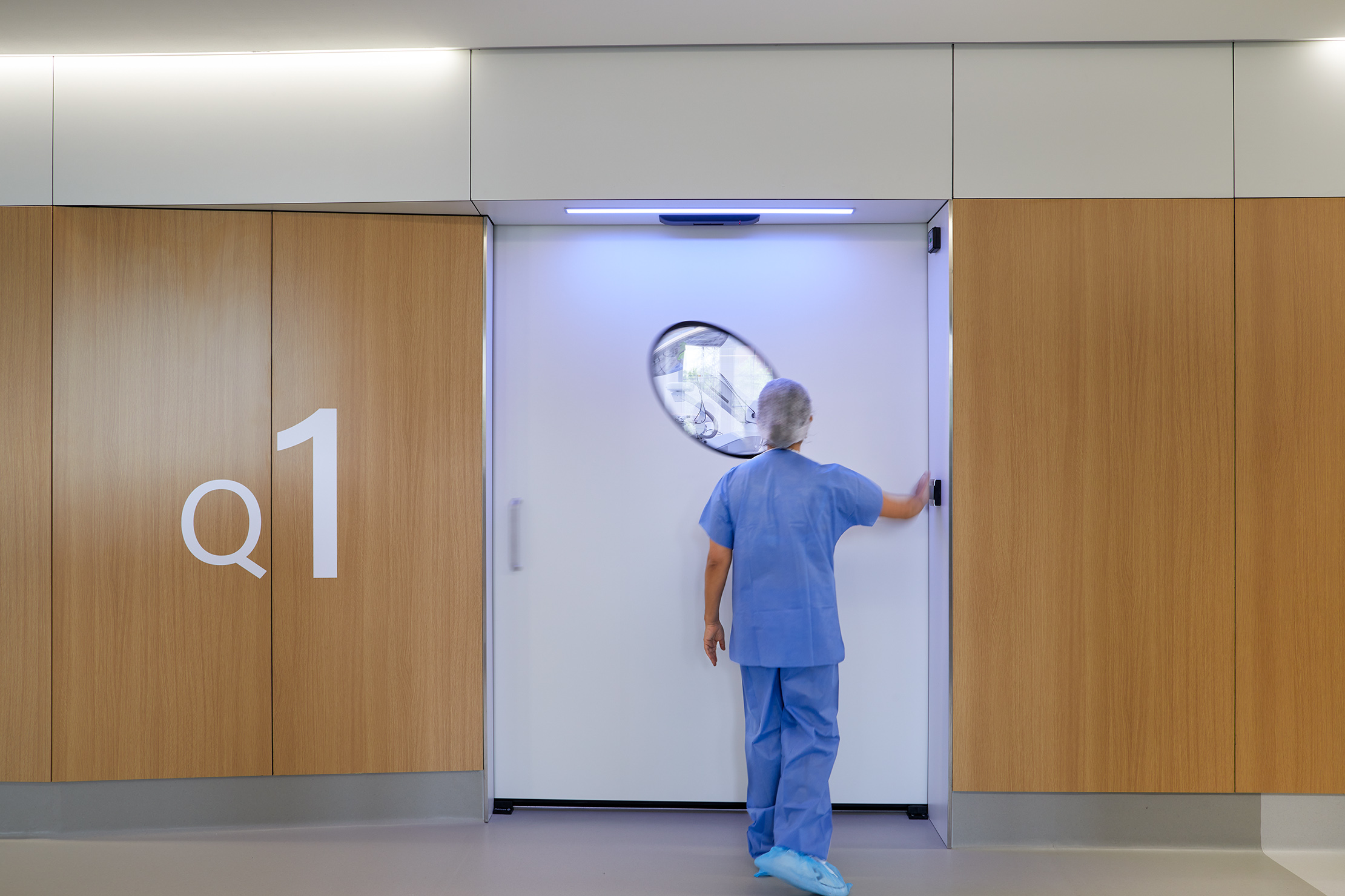
Hospitals and healthcare centres
Accessibility and the free flow of people are essential. Patients, healthcare professionals, visitors and suppliers share spaces where movement must be easy and safe.
Furthermore, certain areas require specific solutions capable of contributing to environmental control and the proper separation of zones.
Hotels and hospitality buildings
A hotel entrance is much more than just a point of access. It is the guest’s first point of contact with the establishment.
Automatic doors help to create a more comfortable experience, particularly when guests are entering with luggage, trolleys or bags.
Airports and stations
In these environments, passenger volumes can be enormous. Doors must operate continuously throughout the day, ensuring safety and a smooth flow of traffic even at peak times.
Shops and shopping centres
In the retail sector, ease of access has a direct impact on the visitor experience.
Furthermore, certain solutions help to improve internal space compartmentation and contribute to the comfort of customers and staff.
Offices and corporate buildings
Companies are looking for access solutions that combine functionality, design and ease of use.
Automatic doors enable the efficient management of people entering and leaving the premises, while enhancing the building’s image.
Industry and logistics
In industrial buildings, logistics centres and production plants, doors play a vital role in organising workflows, ensuring safety and separating different operational areas.
As well as in indoor spaces, many facilities incorporate automatic external doors capable of adapting to factors such as wind, weather conditions or high volumes of traffic. Such solutions are common in airports, hospitals, hotels and corporate buildings where the main entrance handles a high volume of visitors.
Key benefits of automatic doors
Beyond convenience, automatic doors offer tangible benefits for both users and those responsible for managing a building.
They improve accessibility
Accessibility is not limited to people with reduced mobility.
Every day, people enter buildings with suitcases, trolleys, pushchairs, parcels or work equipment. Automatic doors remove barriers and make it easier for everyone to pass through.
Optimising the flow of people
In buildings with high foot traffic, it is essential to avoid disruptions at entry points.
Automatic doors allow for a smoother and more orderly flow of people, reducing waiting times and improving the user experience.
Enhanced security
Modern systems incorporate sensors, detection devices and protective mechanisms that allow the door’s operation to be adapted to each situation.
This helps to create safer environments for both people and premises.
Contributing to indoor comfort
Some solutions help to reduce draughts, minimise the entry of external noise or maintain more stable indoor conditions.
These factors often go unnoticed until they are no longer present. It is only then that users notice the difference.
They promote operational efficiency
Well-designed access allows people to move about more naturally and enables certain operations to be carried out more efficiently.
In sectors such as logistics, healthcare and transport, this advantage is particularly significant.
They offer reliability and durability
Automatic doors are designed to withstand intensive use for years.
In fact, Manusa’s Visio+ 100 and Visio+ 125 operators have passed certified tests involving five million opening and closing cycles, obtaining durability certification in accordance with the UNE-EN 16361 standard.
Do automatic doors help improve energy efficiency?
Yes. Certain types of automatic doors help maintain more stable indoor environmental conditions by reducing unnecessary openings or minimising direct air exchange between spaces.
Although the impact will depend on factors such as the type of door, frequency of use and the building’s characteristics, a correctly selected solution can help improve indoor comfort and optimise the operation of the facilities.
Summary of the main types of automatic doors
Before selecting a solution, it may be useful to make a general comparison of the main types available.
| Door type | Common applications |
| Sliding | Hospitals, shops, hotels and offices |
| Telescopic | Entrances with limited space |
| Revolving | Hotels, airports and corporate buildings |
| Hinged | Interiors and existing buildings |
| Hermetic | Hospitals, laboratories and cleanrooms |
| High-speed | Industry and logistics |
What standards must automatic doors comply with?
Safety is one of the most important aspects of any installation.
For this reason, automatic doors must comply with various European standards that set out requirements relating to the design, manufacture and operation of these systems.
The main ones include:
- EN 16005, concerning the safety in use of automatic pedestrian doors.
- UNE-EN 16361, which sets out requirements and test methods applicable to automatic pedestrian doors.
- EN 13241, applicable to industrial, commercial and garage doors.
- CE marking, which certifies compliance with the relevant European legislation.
Beyond regulatory compliance, these standards help to ensure that the doors have been designed and assessed in accordance with internationally recognised quality and safety criteria.
What maintenance do automatic doors require?
Like any mechanical and electronic system, automatic doors require regular maintenance to ensure reliable operation over time.
Experience shows that a large proportion of faults can be prevented through scheduled inspections, which enable potential faults to be detected before they affect service.
The aspects typically checked include:
- Sensors and detection systems.
- Operators and mechanical components.
- Operational adjustments.
- Safety systems.
- General condition of components.
The key to preventive maintenance
Proper preventive maintenance helps to reduce faults, extend the system’s service life and ensure reliable and safe operation.
How to choose the right automatic door?
Choosing an automatic door is not simply a matter of selecting an opening system. Every project has different requirements, and it is advisable to analyse these in detail before making a decision.
Some of the most important factors are:
Expected foot traffic.
Type of building and the activities carried out there.
Security requirements.
Environmental conditions.
Available space.
Regulatory requirements.
Desired level of automation.
Available budget.
For example, the requirements of a hospital will be very different from those of an industrial plant or a hotel. A thorough analysis of the context allows you to identify the most suitable solution from the outset and avoid future limitations.
Conclusion
Automatic doors have become essential elements in improving accessibility, safety and comfort in modern buildings.
From hospitals and hotels to logistics centres and airports, each environment requires solutions capable of meeting specific needs. By knowing the different types of automatic doors, understanding how they work and considering factors such as regulations, maintenance, and the expected level of foot traffic, we can make better informed decisions.
After all, a door is not simply a point of passage. When chosen wisely, it can help create more comfortable, efficient and safe spaces for everyone who uses them every day. If you are considering incorporating an automatic door into your project or upgrading an existing installation, seeking specialist advice will help you identify the most suitable solution for your current and future needs.
If this summer you want to improve the comfort of your premises or office, save energy and offer a better experience to your customers, find out how we can help you with the most suitable solution.
Contact us