 Andorra
 Austria
 Belgium
 Bosnia and Herzegovina
 Bulgaria
 Cyprus
 Czech Republic
 Denmark
 Deutschland
 France
 Greece
 Hungary
 Ireland
 Iceland
 Israel
 Italy
 Latvia
 Luxembourg
 Malta
 Montenegro
 Netherlands
 Norway
 Poland
 Portugal
 Romania
 Serbia
 Slovakia
 Slovenia
 Spain
 Sweden
 Switzerland
 Turkey
 Ukraine
 United Kingdom
 Argentina
 Bolivia
 Brasil
 Canada
 Chile
 Colombia
 Costa Rica
 Cuba
 República Dominicana
 Ecuador
 El Salvador
 French Guiana
 Guatemala
 Honduras
 México
 Nicaragua
 Panamá
 Paraguay
 Perú
 Uruguay
 United States
 Venezuela
 Azerbaijan
 China
 Hong Kong
 India
 Indonesia
 Iraq
 Japan
 Jordan
 Kuwait
 Lebanon
 Malaysia
 Maurice
 Myanmar
 Oman
 Pakistan
 Philippines
 Qatar
 Russia
 Saudi Arabia
 Singapore
 South Korea
 Syria
 Thailand
 United Arab Emirates
 Vietnam
 Algeria
 Angola
 Egypt
 Ghana
 Kenya
 Libya
 Morocco
 Nigeria
 Sénégal
 South Africa
 Tanzania
 Tunisie
 Australia
 New Zealand

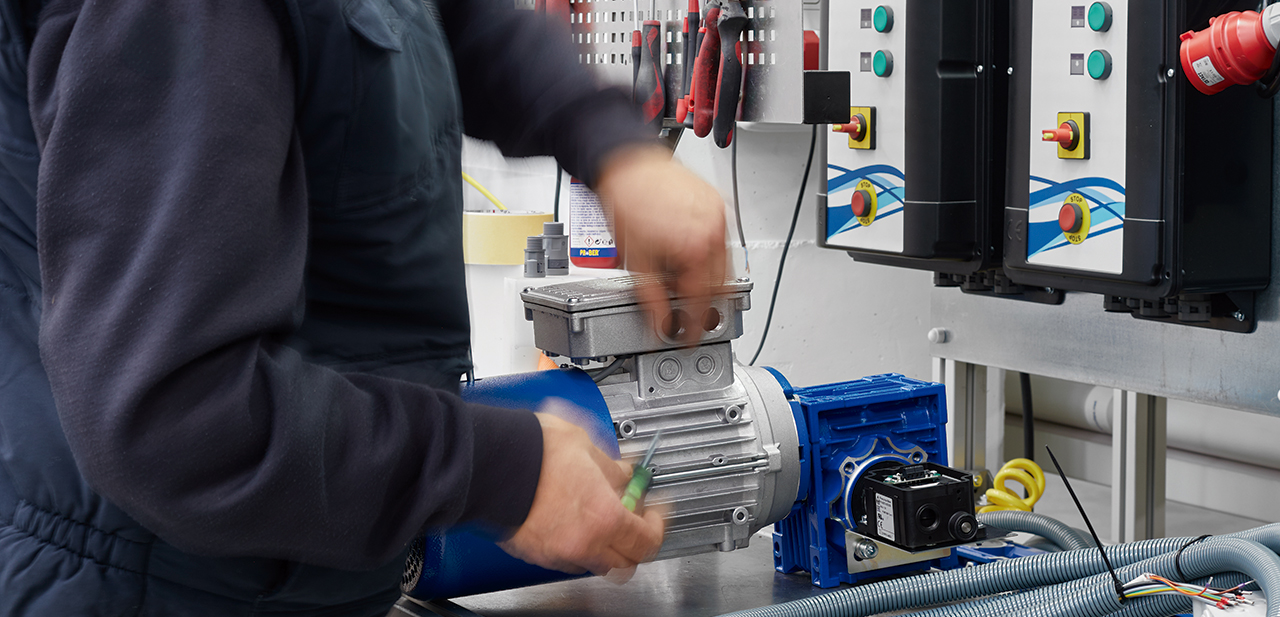
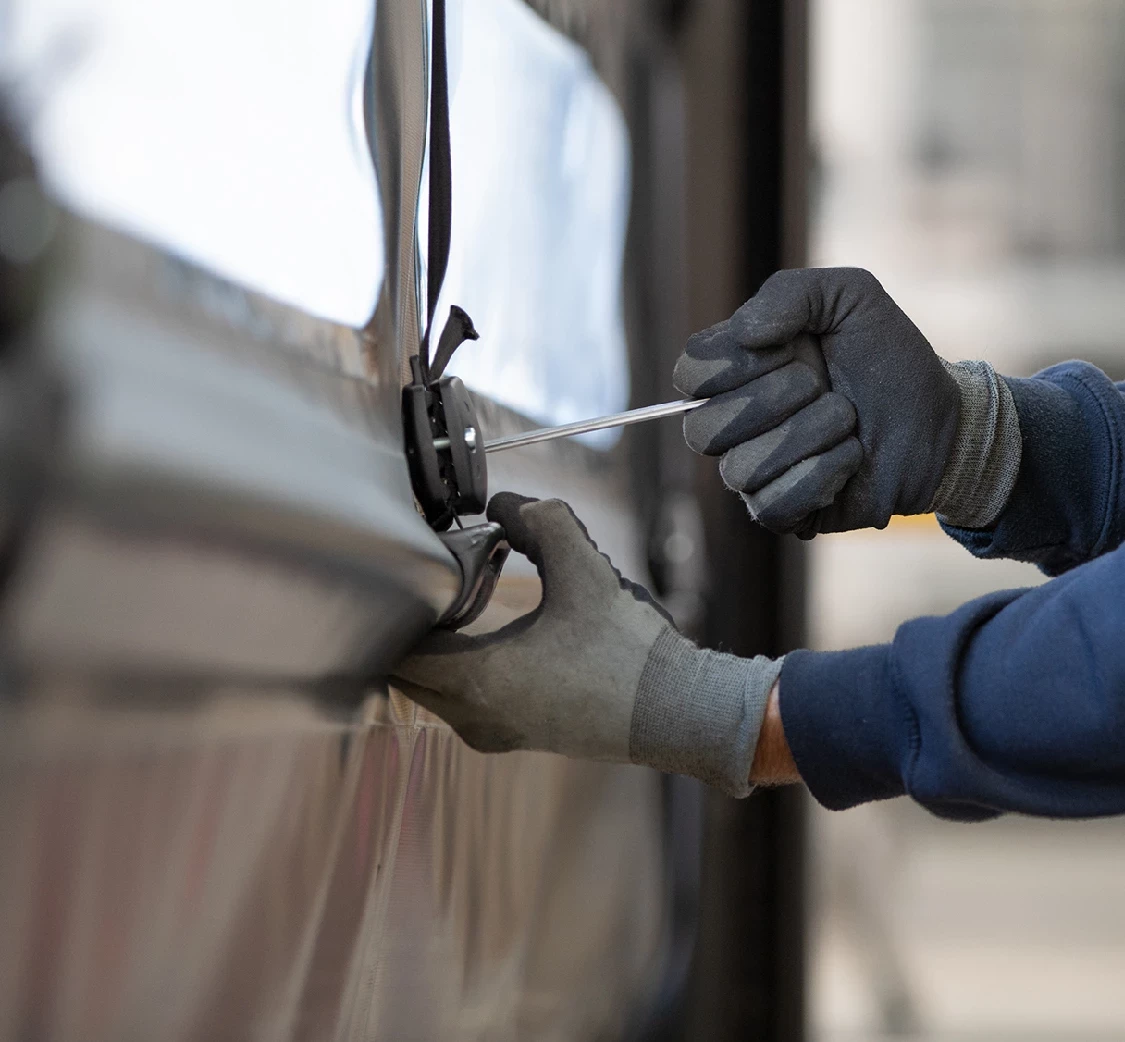
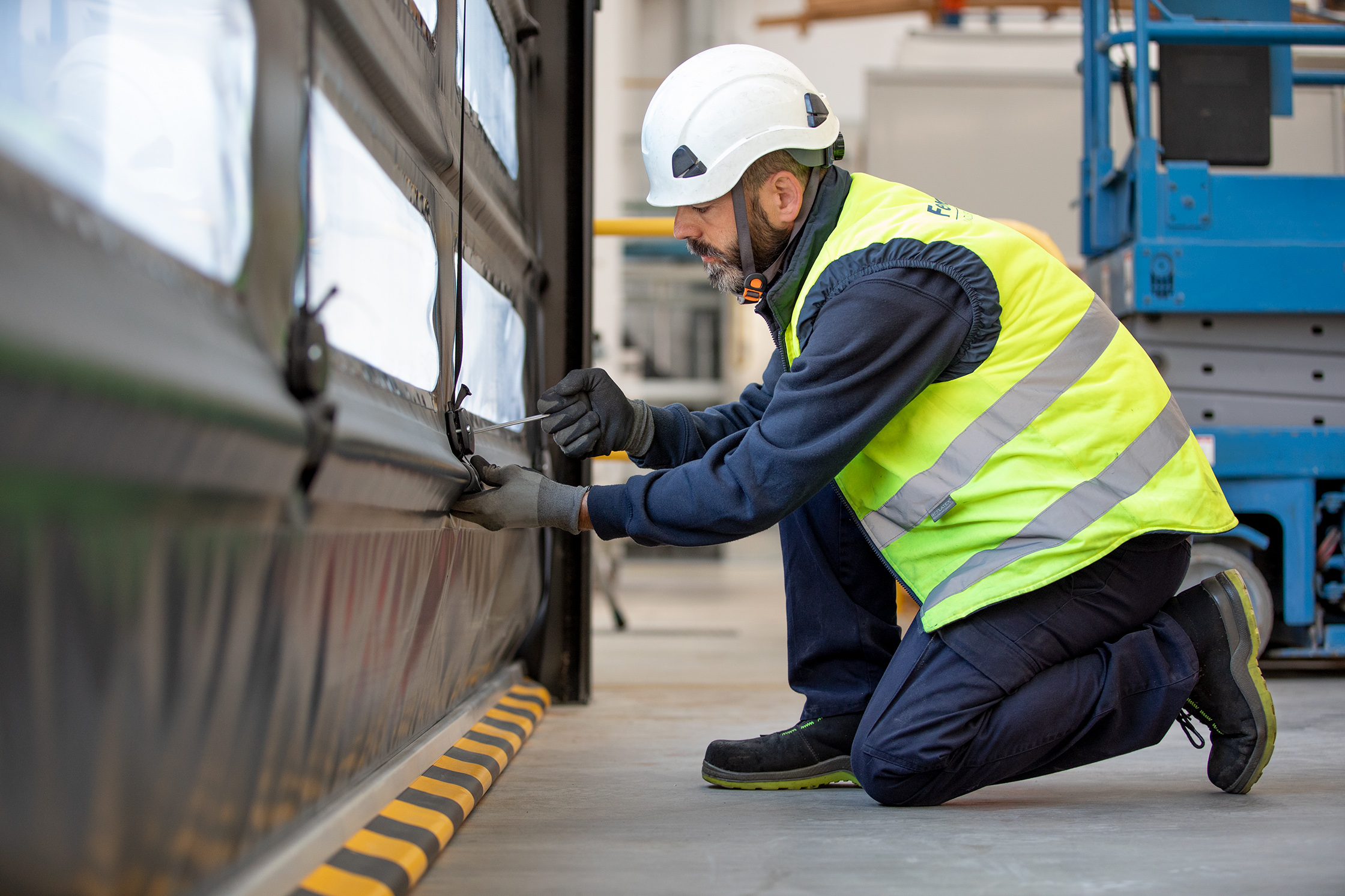
When an automatic door does not respond as it should, the first step is to analyse how it is operating and at what point the fault occurs. A door opening at the wrong time, a closure that is not completed, or an irregular response from the system may be related to sensors, the power supply, operator settings or mechanical components.
At Manusa, we know that this type of fault can affect continuous use and the day-to-day running of shops, hospitals, offices, care homes and other types of buildings. Identifying the most common signs allows you to make an initial assessment, narrow down possible causes and determine when it is necessary to call in technical support.
The most common faults in automatic doors
Automatic doors incorporate sensors, control systems and opening and closing mechanisms that work in coordination. However, in certain situations, an isolated fault relating to one of these components may occur.
In such cases, observing how the door behaves helps to guide an initial assessment and identify which component may be at fault.
The following table lists some of the faults that may occur occasionally, their possible causes and recommended initial actions.
Below, we briefly analyse each case.
1. Automatic doors: Unexpected openings
An automatic door may open even when there appears to be no one nearby if it receives an unexpected activation signal. This may be due to incorrect sensor settings, interference within their detection range or a fault in the control system.
If the door keeps opening without any obvious cause, it is advisable to arrange for an inspection to identify the source of the problem.
2. The automatic door is not responding
When an automatic door does not respond as a person approaches, the cause may lie with the power supply, the activation sensors or the opening mechanism.
There may also be an obstruction in the path of the door leaves, or the control system is malfunctioning. An initial visual inspection can help to identify obvious faults, but any work on the components must be carried out by qualified personnel.
3. Problems with the door closing without detection?
If an automatic door begins to close while there is still a person in the passageway, there may be a fault with the presence sensors or the systems responsible for detecting obstacles.
This issue requires special attention as it may compromise user safety. In the event of an unexpected closure, it is advisable to stop using the door and contact the technical support team to check that the safety devices are working correctly.
4. Incomplete closing or continuous reopenings
An automatic door that remains open or does not complete the closing correctly may be detecting an obstacle in its path. There may also be issues in the motorisation, maladjusted components or problems in the control system.
Sometimes the door starts moving, stops and opens again. This behaviour may indicate that some element is preventing the movement from being completed.
If no visible obstacles are identified, it is important to avoid tampering and request a professional inspection.
5. Total shutdown of the system
When an automatic door stops working completely, it is advisable to check first if there is an obvious power supply problem or if the system shows any error signs.
If the power supply is working properly, the fault may be related to the motorisation, electronic components or system configuration. It may also be possible that an impact has affected the movement of the leaves.
Identifying these symptoms facilitates communication with technical assistance and allows the inspection to be oriented to the affected components.
When is it necessary to contact technical assistance?
Incidents in an automatic door are usually isolated, but when they happen, it is advisable to act correctly from the first moment. Some can be detected by visual inspection, but any repair must be carried out by an official technical team and specific tools.
It is very important to request professional assistance when the door has unexpected closures, irregular movements, abnormal noises or recurrent failures. Also, when it stops responding to the sensors or does not complete its opening and closing cycles correctly.
Preventive maintenance to avoid breakdowns
Preventive maintenance and periodic inspections help identify potential issues before they lead to significant breakdowns, ensuring safety and continuity of door operations.
At Manusa we have specialised maintenance and technical assistance services for automatic doors. On the one hand, preventive maintenance allows us to carry out periodic inspections and actions adapted to the needs of each installation, helping to identify potential problems and prevent breakdowns. On the other hand, the technical assistance service intervenes when an incident occurs, identifying its origin and applying the necessary solutions to restore the operation of the door safely and in the shortest possible time.
If this summer you want to improve the comfort of your premises or office, save energy and offer a better experience to your customers, find out how we can help you with the most suitable solution.
Contact us